Buy stromzaehler.eu ?
We are moving the project
stromzaehler.eu .
Are you interested in purchasing the domain
stromzaehler.eu ?
domain@kv-gmbh.de · 0541-91531010
Buy stromzaehler.eu ?
What are the colors of data cables and power cables?
Data cables typically come in various colors such as blue, red, yellow, and gray. These colors help differentiate between different types of data cables and make it easier to identify and organize them. On the other hand, power cables are commonly black, white, or gray. This standardization helps users easily distinguish between data and power cables, reducing the risk of confusion and ensuring proper connections. **
Do fiber optic cables transmit data faster than copper cables?
Yes, fiber optic cables transmit data faster than copper cables. This is because fiber optic cables use light to transmit data, which travels at a much higher speed than the electrical signals used in copper cables. Additionally, fiber optic cables have a higher bandwidth capacity, allowing them to transmit more data at faster speeds compared to copper cables. Overall, fiber optic cables are considered to be more efficient and faster in transmitting data over long distances. **


Similar search terms for Cables
Top-Angebote
Products related to Cables:
-
Uplifted Finds Digital LCD Energy Meter Wattmeter Power Consumption Analyzer Outlet no BacklightTake full control over your electrical expenses and identify energydraining household appliances with this Digital LCD Energy Meter Wattmeter. Designed for realtime power monitoring, this plugin electricity analyzer measures wattage, cumulative...124,97 $*Shipping: 0,00 $Secure redirect to the provider
-
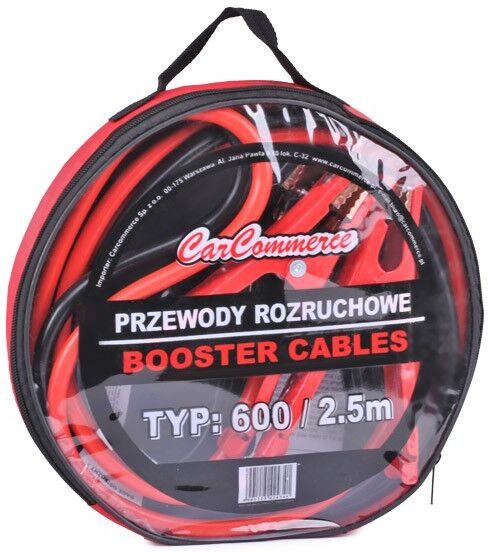
CARCOMMERCE 42434 Jumper cablesCurrent carrying capacity [A]: 600; Cable Colour: red/black; Peak Current [A]: 600; Current Strength to [A]: 600; Vehicle type: Passenger cars; Material: Copper; Length [m]: 2.5; suited for engine type: Diesel, Petrol Engine; Supplementary Article / Supplementary Info Info 2: with overvoltage protection10,99 £*Shipping: 8,45 £Secure redirect to the provider



-
How are data transmitted over cables?
Data is transmitted over cables through electrical signals. When a device sends data, it converts the information into electrical signals that travel through the cable. These signals are then received by the receiving device, which decodes the electrical signals back into the original data. The quality and speed of data transmission over cables can be affected by factors such as the type of cable, its length, and any interference from other electrical signals. **
-
What causes increased fuel consumption in USB cables?
Increased fuel consumption in USB cables is not a relevant concept, as USB cables do not use fuel. However, if you meant to ask about increased power consumption in USB cables, this can be caused by factors such as longer cable length, higher power output requirements for charging devices, or poor quality cables with higher resistance. Longer cables and higher power output can lead to increased energy loss and therefore higher power consumption. Using high-quality, shorter cables can help minimize power consumption. **
-
What is the frost line for data cables?
The frost line for data cables refers to the depth at which underground cables need to be buried in order to prevent damage from freezing temperatures. In colder climates, the frost line can reach several feet deep, so it is important to bury data cables below this depth to ensure they are not affected by freezing and thawing of the ground. Failing to do so can lead to damage to the cables and disruption of data transmission. **
-
What is the freezing point for data cables?
The freezing point for data cables is typically around -40 degrees Celsius (-40 degrees Fahrenheit). At this temperature, the cables may become brittle and more prone to damage. It is important to ensure that data cables are kept in a controlled environment to prevent them from freezing and potentially causing connectivity issues. **

What is the difference between copper cables, twisted-pair cables, fiber optic cables, and coaxial cables?
Copper cables are made of copper wire and are commonly used for transmitting electrical signals. Twisted-pair cables consist of pairs of insulated copper wires twisted together, which helps reduce electromagnetic interference. Fiber optic cables use thin strands of glass or plastic to transmit data using light pulses, allowing for high-speed and long-distance transmission. Coaxial cables have a central conductor surrounded by an insulating layer, a conductive shield, and an outer insulating layer, and are commonly used for cable television and internet connections. Each type of cable has its own advantages and is used for different purposes based on their unique characteristics. **
Why do RCA cables have two cables?
RCA cables have two cables, one for the left audio channel and one for the right audio channel. This allows for stereo sound to be transmitted from one device to another. By having separate cables for each channel, RCA cables can maintain the integrity of the stereo signal and provide a better audio experience. **
Top-Angebote
Products related to Cables:
-
Inspire Essentials Smart WiFi Energy Meter 1 To 50A With LCD For Real Time Monitoring Smart WiFi Energy Meter 1 To 50A With LCD For Real Time MonitoringTake control of your utility bills and track your home energy usage with this Tuya WiFi energy meter, capable of monitoring voltage, current, power, kWh, and temperature in real time. Compatible with TuyaSmart Life and voice assistants, it mounts...69,00 $*Shipping: 0,00 $Secure redirect to the provider
-
Inspire Curations Digital Wattmeter LCD Energy Meter And Power Consumption Monitor uk PlugTake the guesswork out of appliance energy use with clear, realtime electrical monitoring. This digital wattmeter plugs between a compatible wall outlet and appliance, giving you useful information about how much electricity the connected device...108,00 $*Shipping: 0,00 $Secure redirect to the provider
-
Uplifted Finds Digital LCD Energy Meter Wattmeter Power Consumption Analyzer Outlet no BacklightTake full control over your electrical expenses and identify energydraining household appliances with this Digital LCD Energy Meter Wattmeter. Designed for realtime power monitoring, this plugin electricity analyzer measures wattage, cumulative...124,97 $*Shipping: 0,00 $Secure redirect to the provider
-
CARCOMMERCE 42434 Jumper cablesCurrent carrying capacity [A]: 600; Cable Colour: red/black; Peak Current [A]: 600; Current Strength to [A]: 600; Vehicle type: Passenger cars; Material: Copper; Length [m]: 2.5; suited for engine type: Diesel, Petrol Engine; Supplementary Article / Supplementary Info Info 2: with overvoltage protection10,99 £*Shipping: 8,45 £Secure redirect to the provider
-
What are the colors of data cables and power cables?
Data cables typically come in various colors such as blue, red, yellow, and gray. These colors help differentiate between different types of data cables and make it easier to identify and organize them. On the other hand, power cables are commonly black, white, or gray. This standardization helps users easily distinguish between data and power cables, reducing the risk of confusion and ensuring proper connections. **
-
Do fiber optic cables transmit data faster than copper cables?
Yes, fiber optic cables transmit data faster than copper cables. This is because fiber optic cables use light to transmit data, which travels at a much higher speed than the electrical signals used in copper cables. Additionally, fiber optic cables have a higher bandwidth capacity, allowing them to transmit more data at faster speeds compared to copper cables. Overall, fiber optic cables are considered to be more efficient and faster in transmitting data over long distances. **
-
How are data transmitted over cables?
Data is transmitted over cables through electrical signals. When a device sends data, it converts the information into electrical signals that travel through the cable. These signals are then received by the receiving device, which decodes the electrical signals back into the original data. The quality and speed of data transmission over cables can be affected by factors such as the type of cable, its length, and any interference from other electrical signals. **
-
What causes increased fuel consumption in USB cables?
Increased fuel consumption in USB cables is not a relevant concept, as USB cables do not use fuel. However, if you meant to ask about increased power consumption in USB cables, this can be caused by factors such as longer cable length, higher power output requirements for charging devices, or poor quality cables with higher resistance. Longer cables and higher power output can lead to increased energy loss and therefore higher power consumption. Using high-quality, shorter cables can help minimize power consumption. **
Similar search terms for Cables
-
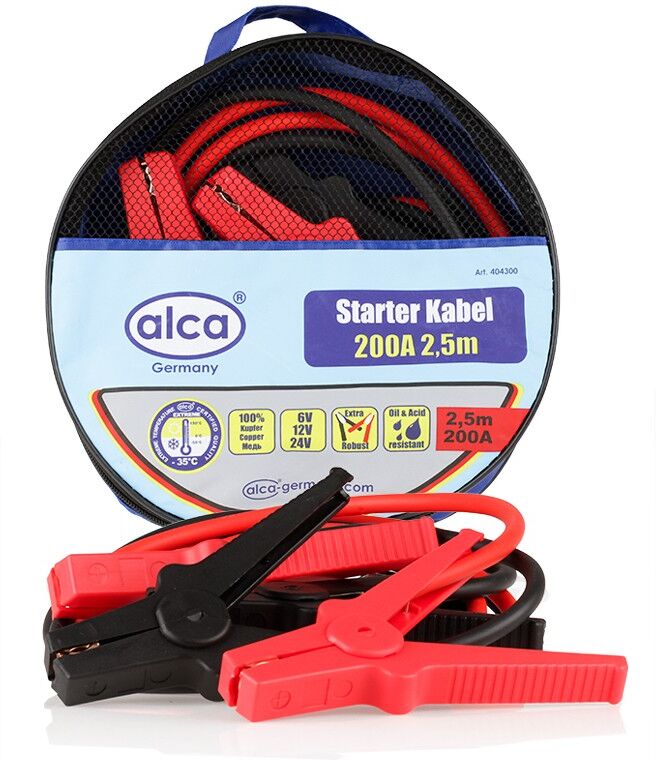
ALCA 404300 Jumper cablesMaterial: Copper; Insulated: ; Supplementary Article / Supplementary Info Info 2: with storage bag, with overvoltage protection; Current Strength to [A]: 200; Voltage [V]: 6, 12, 24; Weight [kg]: 1.2; Version: M; resistant to: Oil; Vehicle type: Passenger cars, Motorcycle, Trucks; Length [m]: 2.5; suited for engine type: Petrol Engine17,49 £*Shipping: 8,45 £Secure redirect to the provider
-
What is the frost line for data cables?
The frost line for data cables refers to the depth at which underground cables need to be buried in order to prevent damage from freezing temperatures. In colder climates, the frost line can reach several feet deep, so it is important to bury data cables below this depth to ensure they are not affected by freezing and thawing of the ground. Failing to do so can lead to damage to the cables and disruption of data transmission. **
-
What is the freezing point for data cables?
The freezing point for data cables is typically around -40 degrees Celsius (-40 degrees Fahrenheit). At this temperature, the cables may become brittle and more prone to damage. It is important to ensure that data cables are kept in a controlled environment to prevent them from freezing and potentially causing connectivity issues. **
-
What is the difference between copper cables, twisted-pair cables, fiber optic cables, and coaxial cables?
Copper cables are made of copper wire and are commonly used for transmitting electrical signals. Twisted-pair cables consist of pairs of insulated copper wires twisted together, which helps reduce electromagnetic interference. Fiber optic cables use thin strands of glass or plastic to transmit data using light pulses, allowing for high-speed and long-distance transmission. Coaxial cables have a central conductor surrounded by an insulating layer, a conductive shield, and an outer insulating layer, and are commonly used for cable television and internet connections. Each type of cable has its own advantages and is used for different purposes based on their unique characteristics. **
-
Why do RCA cables have two cables?
RCA cables have two cables, one for the left audio channel and one for the right audio channel. This allows for stereo sound to be transmitted from one device to another. By having separate cables for each channel, RCA cables can maintain the integrity of the stereo signal and provide a better audio experience. **
* All prices are inclusive of VAT and, if applicable, plus shipping costs. The offer information is based on the details provided by the respective shop and is updated through automated processes. Real-time updates do not occur, so deviations can occur in individual cases. ** Note: Parts of this content were created by AI.